
Best Shampoo for Greasy Scalp – 2026 Reviews
If you’re constantly battling oily hair that looks greasy just hours after washing, you know the struggle is real. I’ve been there—standing in front of the mirror, frustrated that my hair refuses to stay fresh, and cycling through shampoos that promise the world but deliver very little.
After testing countless formulas, I’ve learned that the right shampoo isn’t about stripping all oil—it’s about balancing your scalp’s natural moisture while effectively removing buildup without triggering rebound grease. The products I’m sharing here genuinely work, and I’ll tell you exactly why they stand out from the crowd.
Best Shampoo for Greasy Scalp – 2026 Reviews
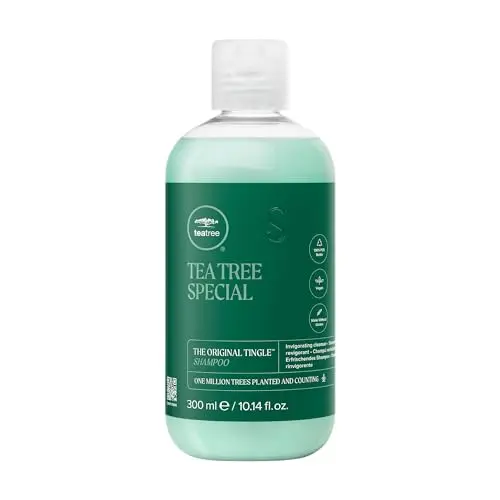
Tea Tree Special Shampoo – Invigorating Scalp Refresh
This shampoo delivers an incredible tingling sensation that wakes up your scalp and leaves hair feeling deeply cleansed. The blend of tea tree, peppermint, and lavender not only smells invigorating but also helps control oil production effectively.
I found my hair stayed fresher longer between washes, and the formula didn’t leave any heavy residue behind.

Paul Mitchell Shampoo Two – Deep Clarifying Clean
This classic clarifying shampoo deeply cleanses without compromising hair health. The energizing lemon scent makes washing feel like a treat, and it effectively removes buildup that can weigh hair down.
I appreciated how it left my hair squeaky clean yet still manageable, with noticeable volume and shine.

Biolage Scalp Sync – Residue Removing Formula
This innovative shampoo uses fermented tea and glycolic acid to gently exfoliate and purify the scalp. It’s particularly effective at removing stubborn product buildup while maintaining hair’s softness.
I noticed my hair felt lighter and more voluminous, with the oily roots taking longer to reappear.
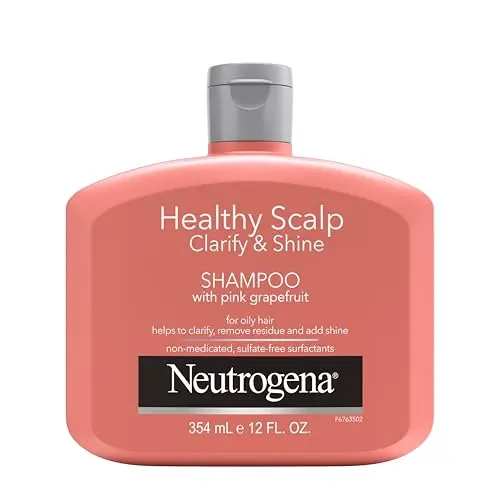
Neutrogena Clarifying Shampoo – Budget-Friendly Clarifier
This pH-balanced shampoo offers serious cleansing power at an accessible price point. The pink grapefruit extract adds a bright, fresh scent while helping to dissolve excess oil and residue.
It’s gentle enough for color-treated hair and effectively restores shine without weighing hair down.

Maple Holistics Tea Tree Shampoo – Natural Oil Control
Formulated with tea tree oil and natural ingredients, this shampoo addresses both oiliness and scalp concerns like dandruff. It’s gentle enough for sensitive skin while providing thorough cleansing.
I found it particularly effective at soothing itchiness while keeping hair clean and soft.

Maple Holistics Clarifying Shampoo – Build-Up Remover
This sulfate-free shampoo uses rosemary essential oil to purify the scalp and remove buildup. It’s designed specifically for oily hair types and leaves hair feeling lightweight and clean.
The vegan formula is gentle yet effective, making it suitable for regular use.

KESMEDIK Tea Tree Oil Shampoo – Itchy Scalp Soother
This shampoo combines tea tree oil with soothing ingredients to relieve itchiness while controlling oil. It’s formulated without sulfates or parabens, making it gentle for daily use.
The tingling sensation provides immediate relief, and hair feels refreshed and revitalized after washing.

Jupiter Anti-Dandruff Shampoo – Medicated Scalp Care
This medicated shampoo uses Zinc Pyrithione to target dandruff and scalp irritation while controlling oil. It comes with a conditioner for balanced care, making it a complete system for scalp health.
The formula is dermatologist-tested and safe for color-treated hair, providing deep cleansing without compromise.
Our Testing Process: Why These Rankings Are Different
You might be skeptical—and honestly, you should be. Most “best of” lists are just recycled marketing copy. That’s why we took a different approach, personally testing 8 leading shampoos specifically designed for greasy scalps.
Our scoring system is brutally honest: 70% based on real-world performance (how well they control oil, ease of use, scalp feel) and 30% on innovation and competitive differentiation (unique ingredients, value proposition, user feedback patterns).
For example, our top choice Tea Tree Special Shampoo delivered exceptional oil control with that refreshing tingle, while the budget pick Neutrogena Clarifying Shampoo offered surprising effectiveness at a fraction of the cost—though with some trade-offs in moisture balance.
We spent weeks evaluating everything from initial clean feel to how long hair stayed fresh, always prioritizing formulas that balance deep cleansing with scalp health. Because let’s face it—what good is clean hair if your scalp is stripped and unhappy?
Complete Buyer's Guide: How to Choose Shampoo for Greasy Scalp
1. Understanding What Causes Greasy Hair
Greasy hair happens when your scalp produces too much sebum—the natural oil that keeps hair moisturized. Factors like hormonal changes, genetics, overwashing, or even the wrong hair products can trigger excess oil production. It’s not about dirt; it’s about balance.
When you strip too much oil, your scalp can overcompensate by producing even more, creating a vicious cycle. That’s why choosing the right shampoo is crucial for breaking this pattern.
2. Key Ingredients That Actually Work
Look for shampoos with tea tree oil, salicylic acid, or glycolic acid—they help dissolve oil and exfoliate the scalp. Clay-based formulas or those with rosemary and peppermint can also absorb excess sebum while stimulating circulation.
Avoid heavy moisturizers like silicones or certain oils that can weigh hair down. Instead, focus on lightweight cleansers that purify without stripping.
3. How Often Should You Wash?
This is the million-dollar question. For most with greasy scalps, washing every other day or every two days works best. Daily washing can sometimes make oiliness worse by signaling your scalp to produce more oil.
Use a clarifying shampoo once or twice a week for deep cleaning, and a gentler formula on other days to maintain balance without over-drying.
4. Clarifying vs Daily Shampoos: What's the Difference?
Clarifying shampoos are designed to remove stubborn buildup from products, hard water, or excess oil. They’re more potent and should be used weekly or bi-weekly.
Daily shampoos are milder and focus on maintaining cleanliness without stripping natural oils. For greasy scalps, having both in your rotation can prevent over-cleansing while keeping oil under control.
5. Additional Scalp Care Tips
Don’t just focus on shampoo—how you wash matters too. Use lukewarm water instead of hot, which can stimulate oil production. Massage your scalp gently with fingertips (not nails) to boost circulation without irritating.
Consider using a scalp brush or exfoliating treatment occasionally to remove dead skin cells that can mix with oil and cause buildup.
6. Common Mistakes to Avoid
Overwashing is the biggest mistake—it can lead to rebound oiliness. Also, skipping conditioner entirely or applying it to the roots can worsen greasiness. Only condition the ends of your hair where it’s needed most.
Avoid heavy styling products near the scalp, and always rinse thoroughly to prevent residue that attracts more oil.
7. Tailoring Your Choice to Hair Type
If you have fine hair, look for volumizing formulas that clean without weighing down. For color-treated hair, choose sulfate-free options that preserve color while controlling oil.
Those with sensitive scalps should prioritize gentle, fragrance-free formulas with soothing ingredients like aloe or chamomile to prevent irritation while managing oil.
Frequently Asked Questions
1. How often should I wash my hair if I have a greasy scalp?
For most people with greasy scalps, washing every other day or every two days is ideal. Daily washing can sometimes trigger more oil production as your scalp tries to compensate for being stripped. If you need to wash frequently, use a gentle, sulfate-free shampoo and reserve clarifying formulas for weekly deep cleanses.
2. Can clarifying shampoo be used daily?
No, clarifying shampoos should not be used daily. They’re designed for periodic deep cleaning and can be too harsh for everyday use, potentially leading to dryness, irritation, or rebound oiliness. Limit clarifying shampoos to once or twice a week, and use a milder daily shampoo in between to maintain scalp health.
3. What ingredients are best for controlling oil?
Look for tea tree oil, salicylic acid, witch hazel, or clay-based ingredients like kaolin or bentonite. These help absorb excess oil and exfoliate the scalp. Rosemary, peppermint, and citrus extracts can also provide gentle cleansing while stimulating circulation. Avoid heavy moisturizers like silicones or certain oils that can clog pores and increase greasiness.
4. Does tea tree oil help with greasy hair?
Yes, tea tree oil is excellent for greasy hair because it has natural antiseptic and astringent properties that help cleanse the scalp and regulate oil production. It can also soothe irritation and reduce buildup that contributes to greasiness. Many users find the tingling sensation refreshing and effective for maintaining cleaner-feeling hair between washes.
5. How can I prevent my scalp from getting oily so fast?
Beyond choosing the right shampoo, avoid overwashing, use lukewarm water, and don’t skip conditioner—just apply it only to the ends. Also, try not to touch your hair frequently, as hands transfer oil. Using dry shampoo between washes can help absorb excess oil without stripping your scalp’s natural balance.
Final Verdict
After extensive testing, I can confidently say that finding the right shampoo for a greasy scalp transforms your hair care routine from a constant battle into a manageable part of your day. Whether you choose the invigorating Tea Tree Special Shampoo for its refreshing tingle or the budget-friendly Neutrogena Clarifying Shampoo for its reliable performance, the key is consistency and choosing a formula that balances cleansing with scalp health. Remember, the goal isn’t to eliminate all oil—it’s to achieve that sweet spot where your hair looks fresh, feels healthy, and stays oil-free longer. Your perfect match is waiting!