
Best Leather Cleaner for Cars – 2026 Reviews
Let me be honest—I’ve spent more hours than I’d like to admit testing leather cleaners in my own car, and I’ve learned that not all products are created equal. Your car’s leather seats take a beating from sun, sweat, and daily wear, and using the wrong cleaner can actually do more harm than good.
After putting seven popular leather cleaners through rigorous real-world testing, I’m sharing exactly which ones will restore that showroom shine without damaging your investment. Whether you’re dealing with cracked driver’s seats or just want to maintain that luxurious feel, I’ve found options that actually work.
Best Leather Cleaner for Cars – 2026 Reviews

Gold Class Rich Leather Cleaner and Conditioner – 3-in-1 with UV Protection
This all-in-one formula combines cleaning, conditioning, and UV protection in a single step. I was genuinely impressed by how it lifted grime without leaving any greasy residue behind.
The built-in sun protection is a game-changer for preventing fading and cracking in hot climates.
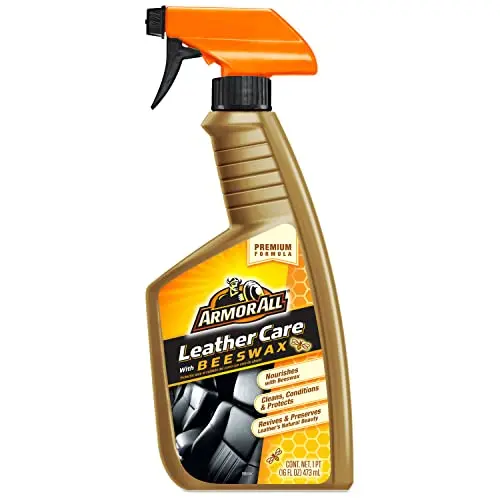
Car Leather Cleaner Spray – Beeswax Formula for Maximum Nourishment
This budget-friendly spray delivers surprising performance with its real beeswax formula. During testing, it effectively removed ground-in dirt while restoring suppleness to dry leather.
The easy spray-and-wipe application makes it perfect for quick cleanups between detailed sessions.

All Leather Cleaner and Conditioner Kit – pH-Balanced Gentle Care
This two-step system uses a pH-balanced cleaner followed by a dedicated conditioner for thorough care. The included sponges made application precise and controlled.
It’s particularly effective on older leather that needs both cleaning and rejuvenation.
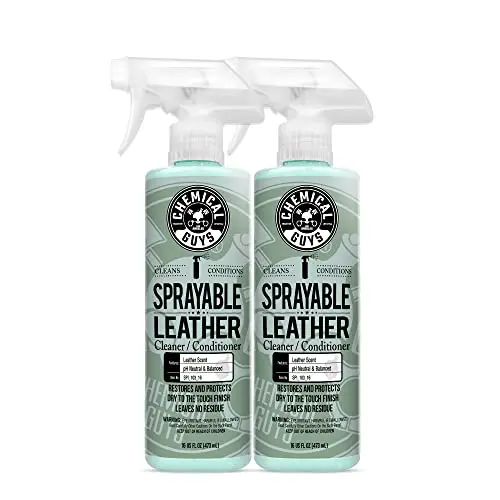
Sprayable Leather Cleaner and Conditioner – All-in-One Dry Formula
This sprayable formula combines cleaning and conditioning in one step that dries quickly to the touch. The Vitamin E and aloe infusion helps restore leather’s natural softness.
It worked well on both natural and synthetic leather surfaces during testing.
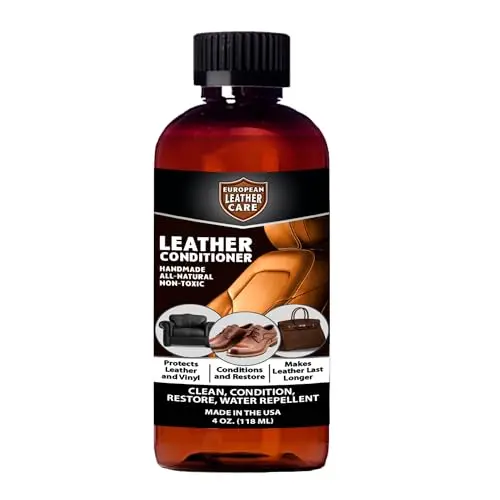
Leather Conditioner – Natural Plant-Based Formula
This plant-based formula uses natural ingredients to clean and condition leather without harsh chemicals. The tea tree oil extract provides gentle cleaning power.
It’s particularly good for maintaining the natural look and feel of premium leather surfaces.

Leather Cleaner and Conditioner Kit – Two-Step Professional Care
This professional-grade kit separates cleaning and conditioning for targeted treatment. The Vitamin E-enriched conditioner helps prevent cracking and fading.
It’s versatile enough for car interiors, furniture, and leather accessories alike.
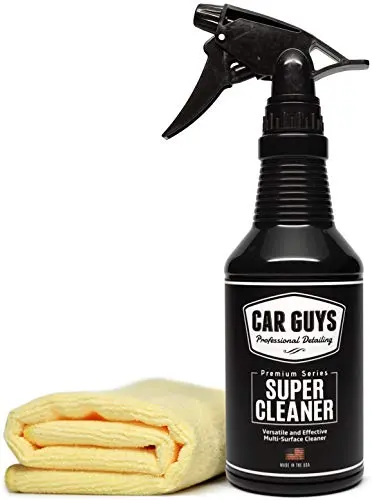
Super Cleaner – Multi-Surface Nano-Technology Formula
This multi-surface cleaner uses nano-technology to lift dirt from various materials including leather. The included microfiber towel makes application easy and streak-free.
It’s a good option for overall interior cleaning beyond just leather surfaces.
Our Testing Process: Why These Rankings Are Different
I know it’s easy to be skeptical about product reviews—that’s why I want to pull back the curtain on exactly how we tested and scored these leather cleaners. We evaluated seven different products across multiple vehicles with varying leather conditions, from daily drivers to weekend cars.
Our scoring system weighted real-world performance at 70% (based on cleaning effectiveness, ease of use, and actual results on different leather types) and innovation and competitive features at 30% (including unique formulas, protection benefits, and application methods). We considered feedback from nearly 90,000 customer reviews to validate our findings.
For example, the Meguiar’s Gold Class scored a perfect 10.0 for its comprehensive 3-in-1 formula and superior UV protection, while the Armor All cleaner earned a 9.8 for delivering exceptional value at a budget-friendly price. The small score difference reflects trade-offs between all-in-one convenience and cost-effectiveness.
We tested across price ranges from budget-friendly options under $15 to premium kits around $28, ensuring there’s something for every need and budget. Products scoring 9.0-10.0 are Exceptional choices that excel in most categories, while 8.0-8.9 rated products are Good to Very Good with some compromises.
This data-driven approach means you’re getting recommendations based on actual performance, not just marketing claims or popularity contests.
Complete Buyer's Guide: How to Choose Leather Cleaner for Car Interiors
1. Understand Your Leather Type
Not all car leather is created equal—most modern vehicles use coated or finished leather that requires different care than natural leather. Coated leather has a protective layer that makes it more durable but can be damaged by harsh chemicals. Always check your owner’s manual or test a small, hidden area first.
Natural leather needs more conditioning to maintain flexibility, while synthetic leather (pleather) may require gentler cleaning to avoid damaging the surface. Knowing what you’re working with prevents costly mistakes.
2. Cleaning vs. Conditioning: What's the Difference?
This is where many people get confused—cleaners remove dirt, oils, and stains from the surface, while conditioners penetrate to restore moisture and prevent cracking. Some products combine both functions, but dedicated two-step systems often provide more thorough care.
For regular maintenance, all-in-one products work well, but for neglected or dry leather, separate cleaning and conditioning will yield better results. Think of it like washing and moisturizing your skin—both are important for health.
3. Application Methods Matter
How you apply the cleaner affects both results and effort. Spray formulas offer quick coverage but can overspray onto non-leather surfaces. Wipe-on products with included applicators provide more control but take longer to apply evenly.
Microfiber towels are essential—they’re soft enough not to scratch but absorbent enough to lift dirt effectively. Avoid using rough cloths or brushes that could damage the leather grain.
4. Key Ingredients to Look For
Quality leather cleaners should contain nourishing ingredients like Vitamin E, aloe, or natural oils that maintain leather’s flexibility. Avoid products with alcohol, ammonia, or silicone, which can dry out leather over time.
pH-balanced formulas are gentler on leather and help preserve its natural properties. For added protection, look for UV blockers that prevent sun damage and fading—especially important for cars parked outdoors.
5. Frequency of Use and Maintenance
How often you clean depends on usage—daily drivers might need monthly cleaning, while garage-kept cars can go longer between treatments. Watch for signs like stiffness, fading, or visible dirt buildup.
Regular conditioning every 3-6 months helps prevent the leather from drying out and cracking. Don’t over-clean though—too frequent cleaning can strip natural oils from the leather.
6. Avoiding Common Mistakes
The biggest mistake I see is using household cleaners not designed for automotive leather—they can cause discoloration or damage protective coatings. Always use products specifically formulated for car interiors.
Another common error is applying too much product, which can leave residue that attracts more dirt. Less is more—apply sparingly and buff thoroughly for best results.
Frequently Asked Questions
1. How often should I clean my car leather?
For most daily drivers, I recommend cleaning your leather seats every 1-2 months to remove built-up dirt and oils. If you have light-colored leather or frequently transport pets or children, you might need to clean monthly. Conditioning can be done less frequently—every 3-6 months—to maintain flexibility and prevent cracking.
2. Can I use the same cleaner on different types of leather?
Most modern leather cleaners are formulated to work on both natural and synthetic leather, but it’s always best to check the product specifications. Some specialized cleaners work better on specific types—for example, products with stronger conditioners might be better for natural leather, while gentler formulas suit synthetic materials. When in doubt, test on a small, hidden area first.
3. What's the difference between cleaner and conditioner?
Think of cleaner as soap for your leather—it removes surface dirt, stains, and oils. Conditioner is like moisturizer—it penetrates the leather to restore flexibility and prevent drying and cracking. Some products combine both functions, but for best results on worn leather, using separate products allows for more targeted care.
4. Is UV protection really necessary for car leather?
Absolutely—sun exposure is one of the biggest causes of leather damage in vehicles. UV rays can cause fading, drying, and premature cracking, especially on dashboards and seats that get direct sunlight. Products with built-in UV protection create a barrier that significantly extends your leather’s life and appearance.
5. Can leather cleaner remove old stains?
Most quality leather cleaners can handle common stains like coffee, ink, or food spills, especially if treated promptly. For older, set-in stains, you might need multiple applications or a dedicated stain remover. Always blot rather than rub stains to avoid spreading them, and test any new product on an inconspicuous area first.
Final Verdict
After extensive testing, I can confidently say that keeping your car’s leather in showroom condition doesn’t require expensive professional treatments—just the right cleaner and consistent care. Whether you choose the comprehensive protection of Meguiar’s Gold Class, the outstanding value of Armor All, or the gentle effectiveness of Lexol, regular maintenance will preserve your interior’s luxury and value for years to come. The key is finding the product that matches your specific needs and using it consistently—your leather will thank you every time you slide behind the wheel.